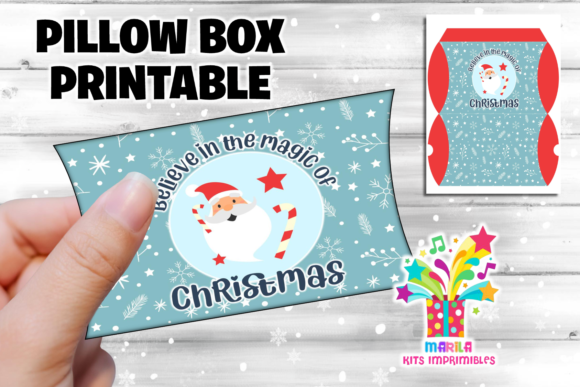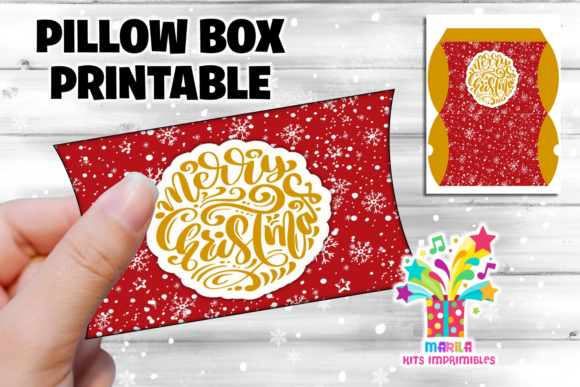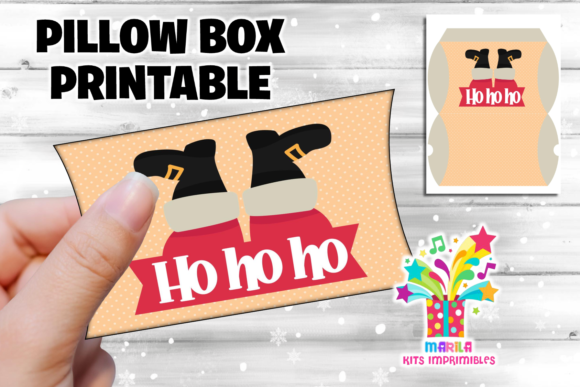
Merry Christmas Pillow Box 7: A Designer's Review
As a designer who spends more time staring at stitch simulations than most people spend watching television, I approach every new machine embroidery design with a mix of excitement and skepticism. We have all been there: you download a file that looks stunning on the screen, only to find it turns into a puckered mess or a thread-breaking nightmare once it hits the fabric. Today, I am taking a close look at Merry Christmas Pillow Box 7. This isn't just a quick glance at the preview image; this is an evaluation of how this specific asset holds up when you are trying to create a tangible, sellable product for the holiday rush.
First Impressions and Visual Personality
When I first pulled up the files for Merry Christmas Pillow Box 7, the immediate takeaway was its structural clarity. In the world of Print Templates and digital assets, we often see designs that rely too heavily on complex gradients or tiny details that simply do not translate well to thread. However, this design strikes a balance. The layout suggests a classic holiday aesthetic without feeling cluttered. The mood it creates is warm and inviting, perfect for the cozy atmosphere everyone tries to cultivate in December.
The visual personality of this piece leans towards traditional charm. It does not scream for attention with neon colors or avant-garde shapes; instead, it whispers quality. For an Etsy seller or a boutique owner, this subtlety is often more valuable than flashiness. It implies a handmade product that cares about heritage and comfort. The spacing between elements appears generous enough to allow the fabric to breathe, which is a critical factor when dealing with seasonal fabrics like flannel or heavy cotton blends.
Real-World Application: The Holiday Gift Scenario
To truly test the viability of Merry Christmas Pillow Box 7, I imagined a specific real-life scenario that many of us face every November. Picture this: a client orders a set of personalized kitchen towels and a matching tote bag as a hostess gift. They want something that feels premium but not overly formal. This is where the design shines.
If I were stitching this onto a linen tea towel, the composition of Merry Christmas Pillow Box 7 would sit beautifully centered or tucked into a corner. The lines appear clean enough to maintain definition even on a textured weave. For a canvas tote bag design, the scale seems appropriate to make a statement without overwhelming the utility of the bag. Customers reacting to the finished product would likely perceive it as thoughtful and high-end, precisely because the embroidery looks intentional rather than slapped on.
Furthermore, consider sweatshirt embroidery. Holiday loungewear is a massive market. If applied to a fleece crewneck, this design could serve as a chest logo or a sleeve accent. The key here is that the design does not rely on micro-details that would get lost in the nap of the fleece. It has enough presence to remain legible and attractive, enhancing the value of the garment significantly.
Technical Considerations and Fabric Challenges
While the aesthetic is strong, a professional reviewer must address the technical realities of stitching. There are specific scenarios where Merry Christmas Pillow Box 7 requires careful handling. If you are working with stretchy fabrics, such as jersey knits for baby embroidery projects, the stability of the design becomes paramount. Without the right approach, any dense areas could cause the fabric to pucker over time.
Similarly, if you are attempting this on dark fabric, you must pay close attention to your thread colors. The contrast ratio is vital. A design that pops on white might disappear on navy or forest green if the thread selection isn't adjusted. I always recommend running a black-and-white mockup first to check the tonal values before committing to the hoop.
Another area of caution is the hoop size. Depending on the specific dimensions of the file you downloaded, ensure your machine can accommodate the full spread of the design. Trying to force a large pattern into a small hoop by splitting it can lead to alignment issues that ruin the professional look of the finished product. Additionally, curved surfaces like caps present a challenge. If the design has large solid fill areas, it might not lay flat on a structured cap without significant distortion. In those cases, a patch application might be a smarter route than direct stitching.
Stitch Quality and Density Management
The success of any digital embroidery file lies in its stitch density. From what I can infer from the visual structure, Merry Christmas Pillow Box 7 likely utilizes a mix of satin stitch for borders or text and fill stitch for larger graphical elements. This combination is standard for a reason: it provides durability and visual interest. However, high-density fill stitches can be tough on needles and may require a heavier cut-away stabilizer to prevent the design from sinking into plush fabrics.
For areas with fine lettering or intricate corners, the risk of thread breaks increases. It is crucial to inspect these small details closely. If the design includes tiny text, verify that it remains readable at the intended size. Nothing kills customer trust faster than illegible personalization on a personalized gift.
Impact on Brand and Business Value
Why does any of this matter? Because for craft business owners and creative entrepreneurs, every stitch represents your brand reputation. Using a high-quality asset like Merry Christmas Pillow Box 7 directly affects buyer engagement. When a customer sees crisp, well-defined embroidery, they associate that quality with your entire shop. It builds recognition and professionalism.
In the context of commercial embroidery, consistency is king. If you are producing a run of fifty items for a corporate holiday party, you need a design that performs reliably every single time. A design that looks good but stitches poorly will cost you time in unpicking and re-hooping, eating into your profit margins. Conversely, a reliable design allows you to scale production with confidence.
Moreover, the "giftability" factor cannot be overstated. Items featuring this kind of thematic, well-executed embroidery often command higher price points. They move from being simple commodities to cherished keepsakes. Whether it is a nursery decor item or a wedding gift, the perceived value goes up when the embroidery looks deliberate and polished.
Practical Notes for the Studio
Before you commit to using Merry Christmas Pillow Box 7 for a paid client or a large batch of inventory, here are my top recommendations:
- Test on Scrap First: Never skip the stitch-out on a scrap piece of the actual fabric you intend to use. Fabric texture changes everything.
- Check Licensing: Since this falls under Print Templates and digital assets, confirm the license terms. Can you sell the physical item? Can you sell the file? Always clarify before listing on Etsy or your own site.
- Stabilizer Selection: Match your stabilizer to the fabric weight. Heavy designs on light fabric need serious support.
- Thread Contrast: Experiment with metallic or variegated threads if the design allows, as this can add a festive sparkle suitable for the holidays.
- File Verification: Ensure you have the correct format for your machine. While most modern machines handle common formats, double-check compatibility to avoid errors mid-stitch.
In conclusion, Merry Christmas Pillow Box 7 appears to be a versatile and aesthetically pleasing addition to a holiday collection. It offers the kind of classic appeal that resonates with customers looking for warmth and tradition. However, like any tool in our arsenal, its success depends on the skill of the operator and the preparation of the materials. By respecting the technical requirements and understanding where the design fits best within your product line, you can turn this digital file into a best-selling small shop product that brings joy to your customers and profit to your business.